Surface finishing plays a critical role in adding value to a component. Manufacturers use both functional and decorative finishing to improve performance and enhance appearance. Each approach serves a distinct purpose in the overall design and manufacturing process.
Understanding the difference between decorative and functional finishing helps designers select the right process for each application.
What Is Functional Finishing?
Functional finishes improve how a component performs over time. They strengthen the surface, increase resistance to environmental damage, and refine electrical and surface behavior.
In practical terms, functional finishing improves durability, hardness, corrosion resistance, chemical and UV resistance, electrical conductivity, solderability, surface friction, and wettability.
One common functional finishing process for metal components is passivation. Passivation increases corrosion resistance by forming a protective layer on the surface of the metal.
During the passivation process, technicians clean the components and immerse them in an acidic bath. This treatment removes free iron and creates a passive oxide layer. Ferrous metals, including steel and stainless steel, remain susceptible to rust and corrosion without protection, and passivation significantly improves their durability and service life.
What Is Decorative Finishing?
Decorative finishing focuses on appearance. These finishes enhance a component’s visual appeal through color, texture, and luster. Common decorative finishing processes include electroplating, brushing (mechanical highlighting), vibratory finishing, lacquer coating, and powder coating.
Decorative finishes appear throughout the consumer market. For instance, automotive applications often rely on chrome finishes, while kitchen and bath fixtures, appliances, and home hardware use this type of finishing to elevate product aesthetics. Manufacturers apply decorative finishes to countless products, from drawer pulls to steering wheels.
Decorative Finishing vs. Performance
While some decorative finishing processes provide functional benefits, their primary purpose remains aesthetic. Chrome plating, for example, provides visual appeal while also improving corrosion and chemical resistance. In contrast, brushing or mechanical highlighting creates distinctive surface patterns without enhancing durability or performance.
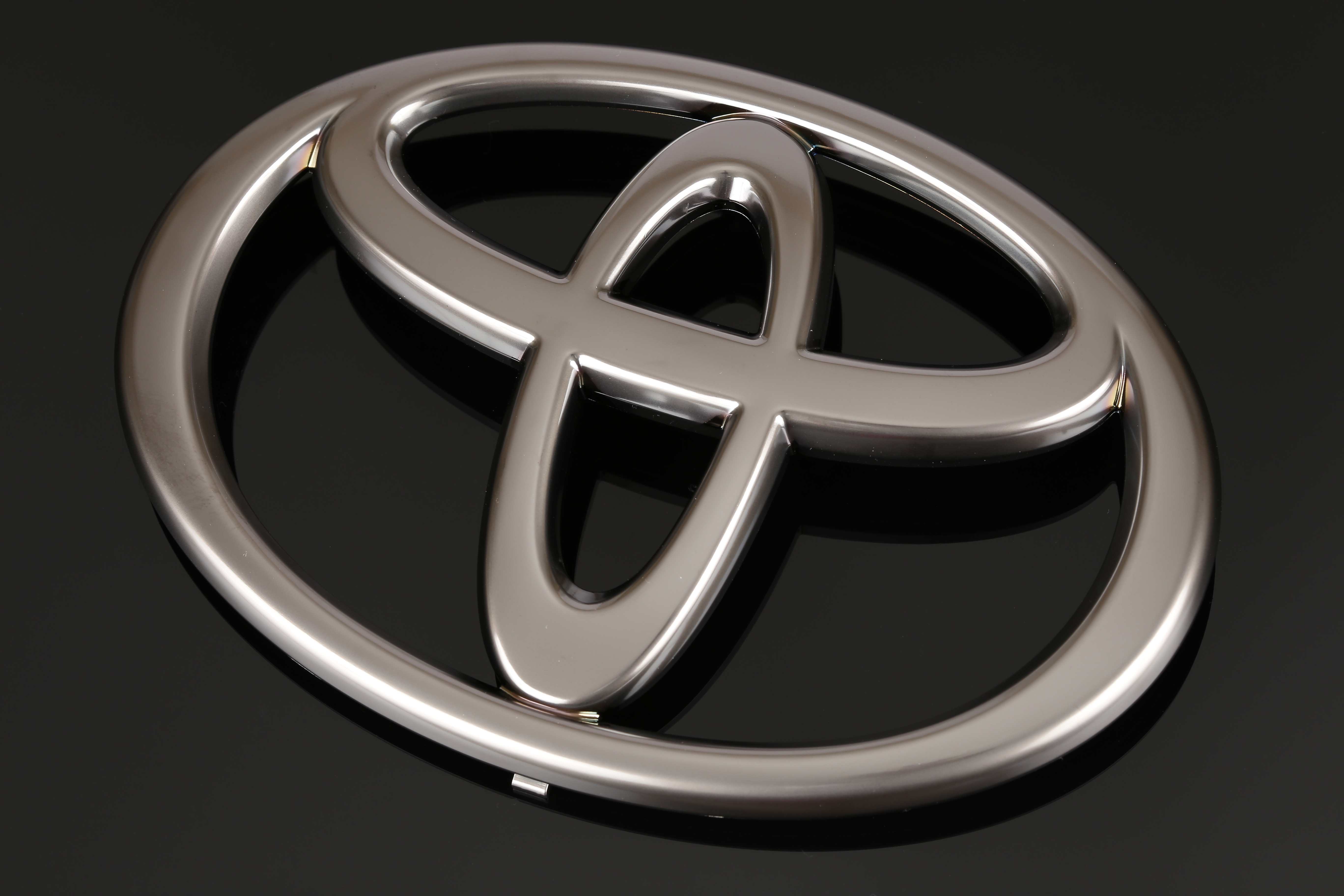
Automotive exterior components highlight the overlap between decorative and functional requirements. Chrome finishes (both hexavalent and trivalent) appear on hubcaps, grilles, and emblems and must meet strict corrosion resistance standards. These parts face constant exposure to road salt, moisture, and environmental contaminants, so decorative finishing must also support long-term performance.
Choosing between Decorative and Functional Finishing
The choice between functional and decorative finishing depends on a component’s location and purpose. For products that customers see and touch, appearance matters just as much as performance. Take a showerhead, for example, which needs to look good while resisting rust and corrosion; decorative finishing provides the ideal solution.
For components where performance outweighs appearance (such as engine parts or industrial machinery), functional finishing delivers the most value. These finishes extend component life by enhancing corrosion resistance and other critical properties.
Decorative Finishing Solutions from ECF
ECF provides both functional and decorative finishing services for a wide range of substrates and applications. Our finishing and process expertise helps customers achieve the right balance between performance and appearance.
Contact ECF today to learn how our decorative finishing and surface treatment solutions can support your next project.